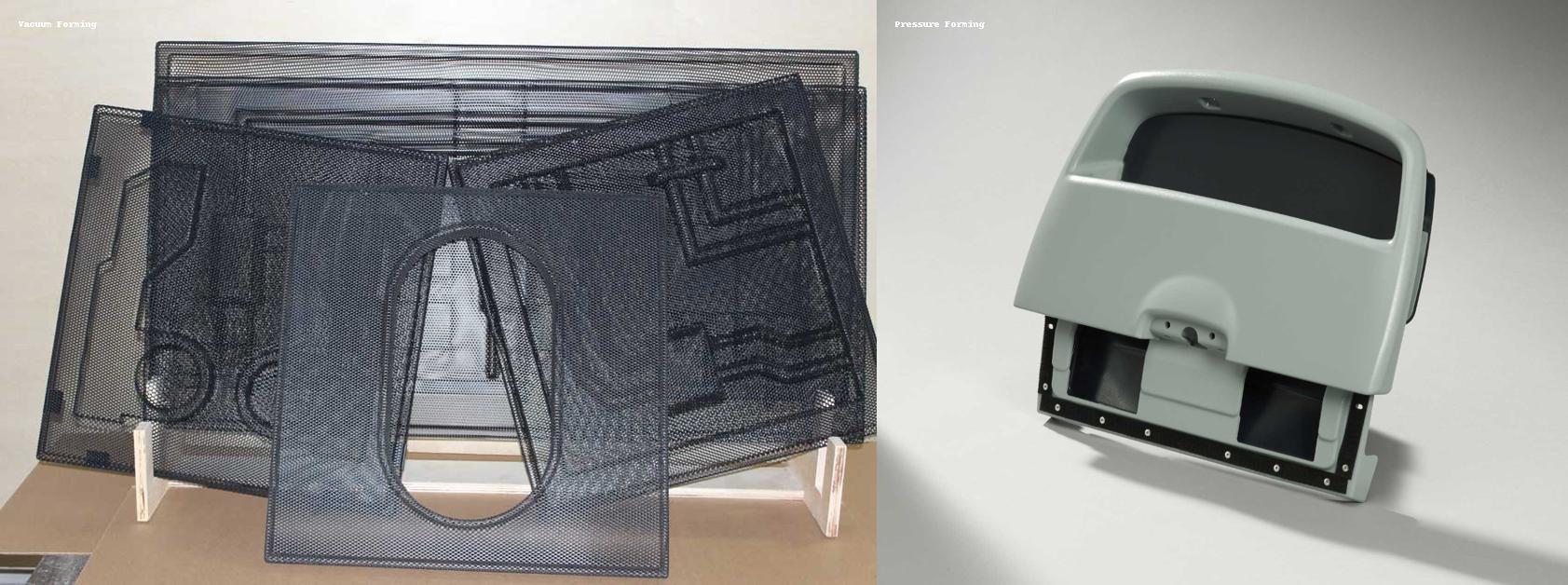
When it comes to manufacturing large, durable plastic components with custom shapes and finishes, thermoforming is a go-to process. Within thermoforming, two techniques dominate: vacuum forming and pressure forming. While both involve heating a thermoplastic sheet and forming it over a mold, the differences in pressure application, mold design, and end-use detail make each better suited for specific applications.
At CW Thomas, we specialize in both vacuum and pressure forming and help clients determine which process offers the right balance of performance, cost, and aesthetics for their project. In this blog, we’ll explore the core differences between the two, along with their pros, cons, and ideal use cases.
What is Vacuum Forming?
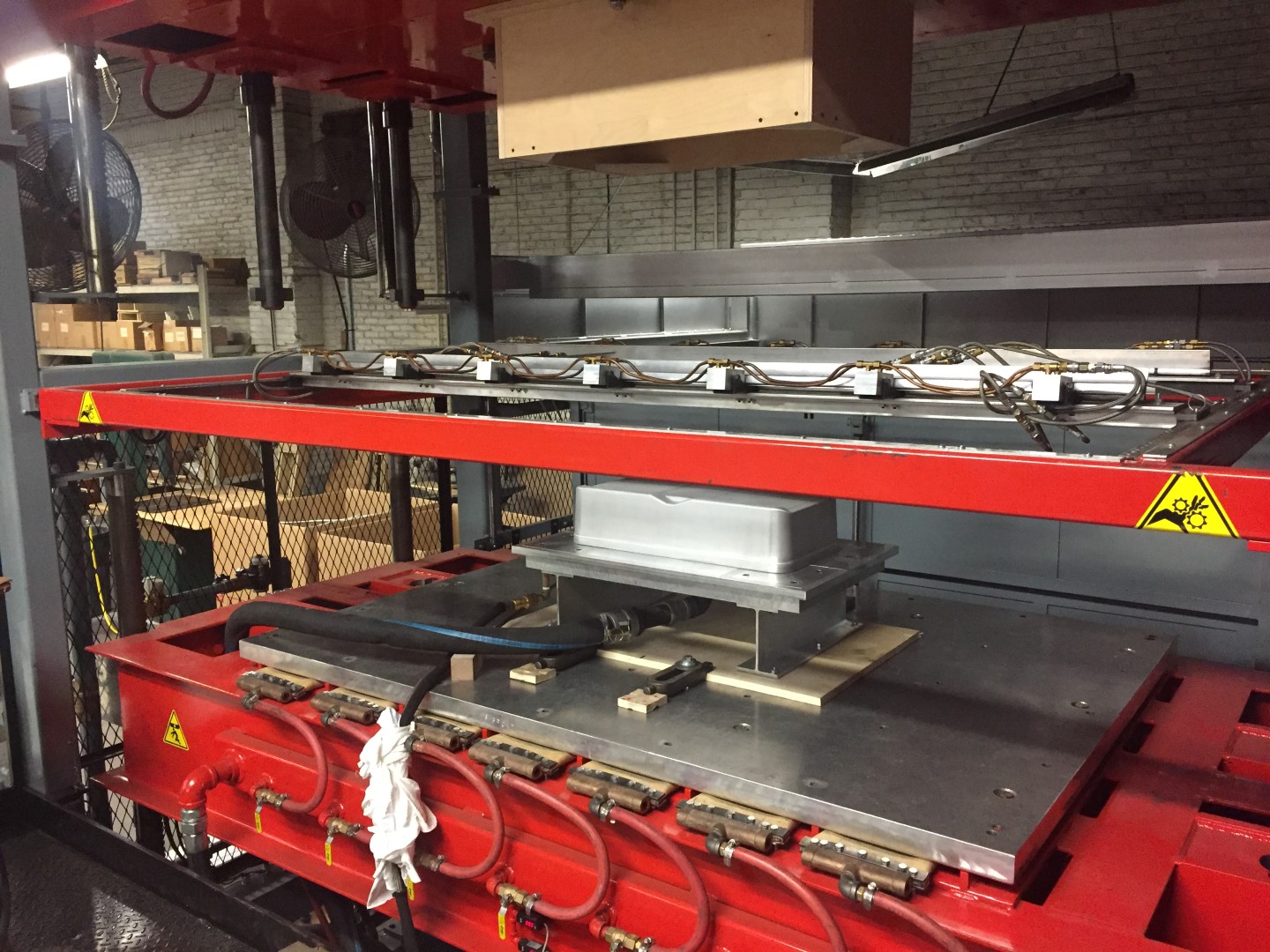
Vacuum forming is the simpler of the two processes. It involves heating a plastic sheet until pliable and then using vacuum suction to draw the sheet tightly over a mold. The vacuum removes the air between the mold surface and the plastic sheet, allowing it to take the shape of the mold.
How It Works:
- A thermoplastic sheet is clamped and heated to its forming temperature.
- The sheet is lowered onto or over the mold.
- A vacuum draws the air out from between the mold and the sheet.
- The part cools and is trimmed to shape.
What is Pressure Forming?
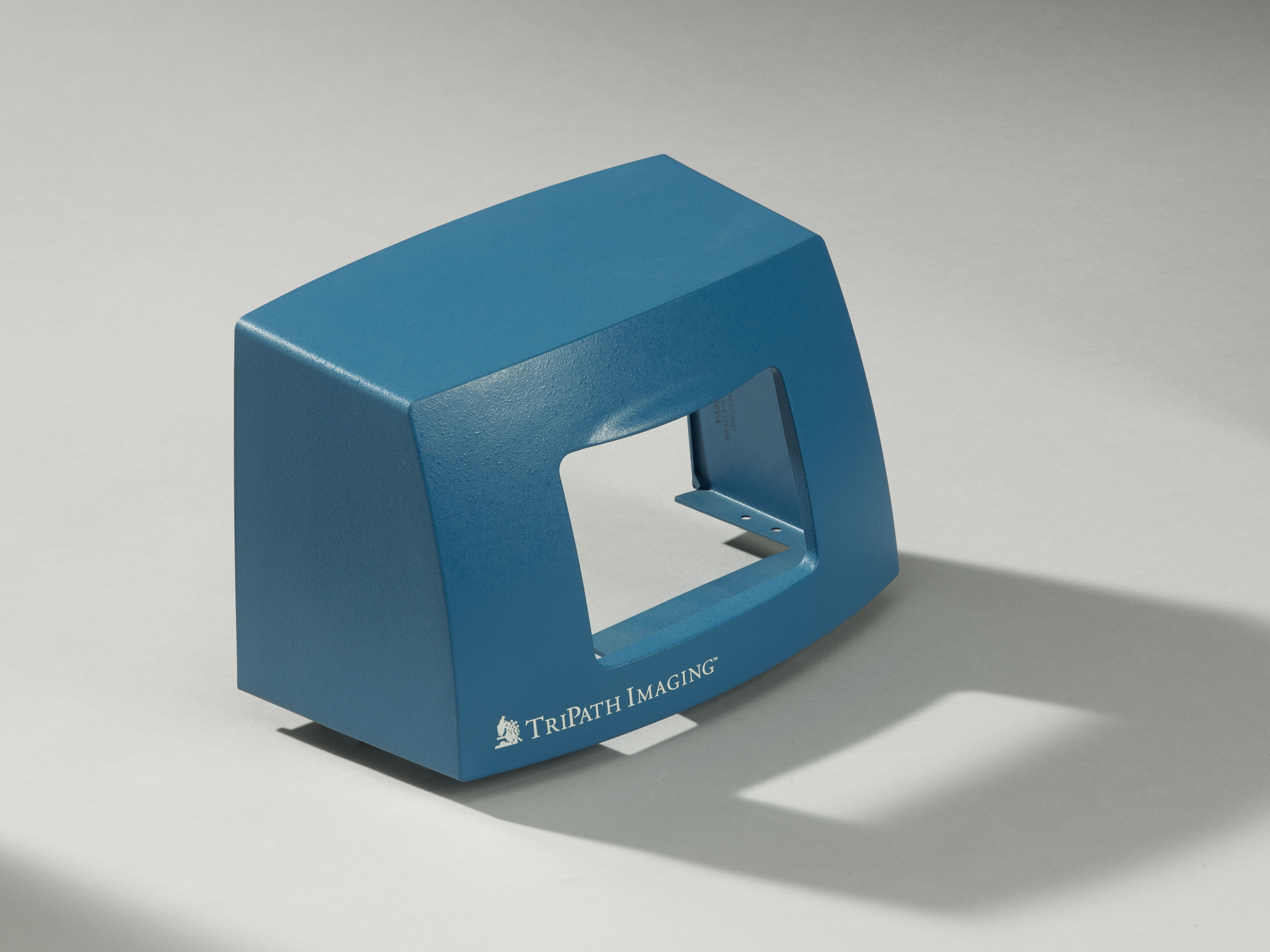
Pressure forming follows a similar heating and clamping process, but introduces compressed air (up to 100 psi or more) above the sheet to force it against the mold surface. This additional pressure allows for finer detail and more complex shapes—closer in quality to injection molding.
How It Works:
- The heated plastic sheet is positioned over a detailed mold.
- A vacuum is pulled from below while compressed air is applied from above.
- This combination forces the sheet into tighter conformity with the mold.
- The part is cooled, released, and trimmed.
Key Differences Between Vacuum Forming and Pressure Forming
| Feature | Vacuum Forming | Pressure Forming |
|---|---|---|
| Pressure Applied | Vacuum only (~14.7 psi max) | Vacuum + compressed air (60–100+ psi) |
| Mold Type | Typically male molds | Typically female molds with more detail |
| Detail Level | Moderate | High—rivals injection molding for detail |
| Surface Texture Reproduction | Limited | Excellent |
| Cost | Lower tooling and operating cost | Higher tooling cost, better part finish |
| Production Speed | Faster | Slightly slower due to more complexity |
| Part Complexity | Simple to moderately complex | Complex with sharp features and tight tolerances |
Pros and Cons
Vacuum Forming
Pros:
- Lower tooling and production costs
- Faster prototyping and short-run capability
- Ideal for large parts with low complexity
- Shorter lead times
Cons:
- Less definition in fine features
- Limited to shallower draws and smoother finishes
- May require secondary machining or post-processing for tight tolerances
Pressure Forming
Pros:
- High-quality detail and surface finishes
- Allows for undercuts, sharp corners, and tight tolerances
- Excellent alternative to injection molding for medium-volume production
- Can produce parts with cosmetic and functional surfaces in one step
Cons:
- Higher initial tooling cost
- Slightly longer setup and cycle times
- Requires more complex mold design
When Should You Use Vacuum Forming?
Vacuum forming is the best fit when:
- You need large parts with relatively simple shapes
- Cost control and fast turnaround are more important than surface detail
- You’re developing prototypes or short production runs
- You can finish or machine parts post-forming as needed
Common applications include:
- Covers and guards
- Enclosures and trays
- Machine housings
- Point-of-purchase displays
When Should You Use Pressure Forming?
Pressure forming is ideal when:
- Your parts require tight tolerances, precise textures, or detailed features
- You want an aesthetic finish without secondary painting or coating
- You need injection-molding-like quality with faster turnaround and lower cost
- The component is customer-facing or critical in appearance
Common applications include:
- Medical equipment housings
- Instrument bezels and control panels
- Aerospace and transportation interior panels
- High-end industrial enclosures
Choosing the Right Process with CW Thomas
At CW Thomas, we help our clients navigate the decision between vacuum and pressure forming based on:
- Part geometry and function
- Required volume
- Surface appearance and branding
- Cost and timeline
We offer in-house tooling, ISO-certified quality systems, and decades of experience serving aerospace, medical, industrial, and defense sectors.
Need help deciding which thermoforming process is right for your next project?
- Learn more about our vacuum forming and pressure forming capabilities
- Or contact our engineering team to schedule a consultation