HDPE Thermoforming: Technical Material Guide for Engineers
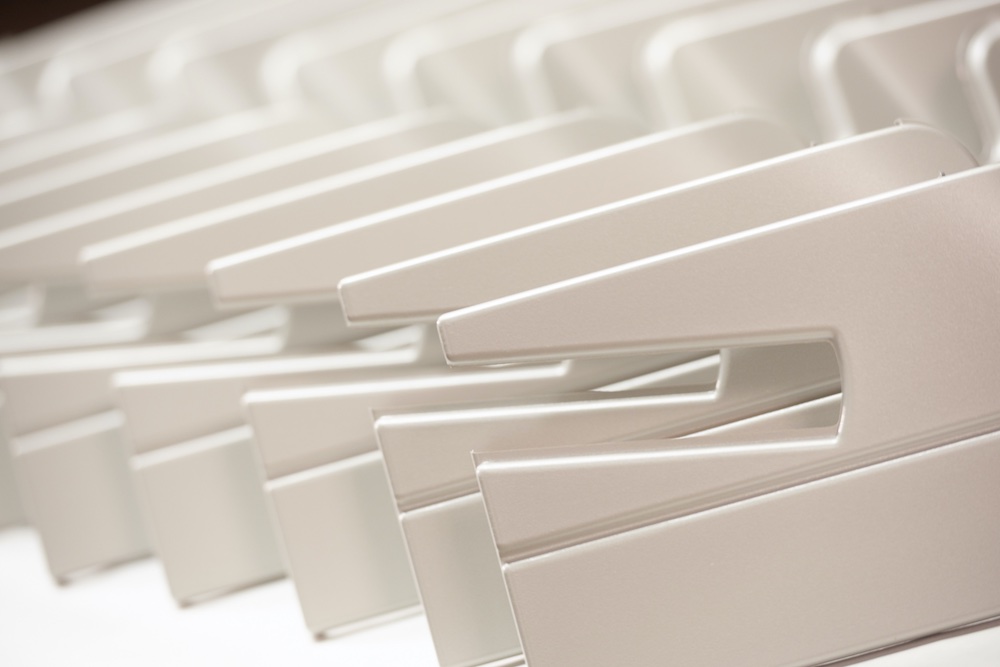
High-Density Polyethylene (HDPE) is a versatile, cost-effective thermoplastic known for its toughness, chemical resistance, and processability. In thermoforming applications, HDPE offers exceptional impact strength and moisture resistance, making it ideal for use in industrial, medical, agricultural, and packaging components.
At CW Thomas, we have decades of experience thermoforming HDPE for demanding applications that require rugged performance and long-term durability. This guide provides engineers and product designers with a comprehensive overview of HDPE thermoforming, covering technical specifications, forming recommendations, and typical use cases.
Vacuum Forming for Today’s Industry Leaders






What is HDPE?
HDPE (High-Density Polyethylene) is a semi-crystalline thermoplastic made from petroleum-based ethylene. It is characterized by a high strength-to-density ratio, excellent chemical and moisture resistance, and very low moisture absorption. HDPE is also FDA-compliant in many formulations, making it suitable for medical and food-grade applications.
Compared to other thermoplastics like ABS or polycarbonate, HDPE offers a unique balance of cost, flexibility, and resistance to environmental stress.
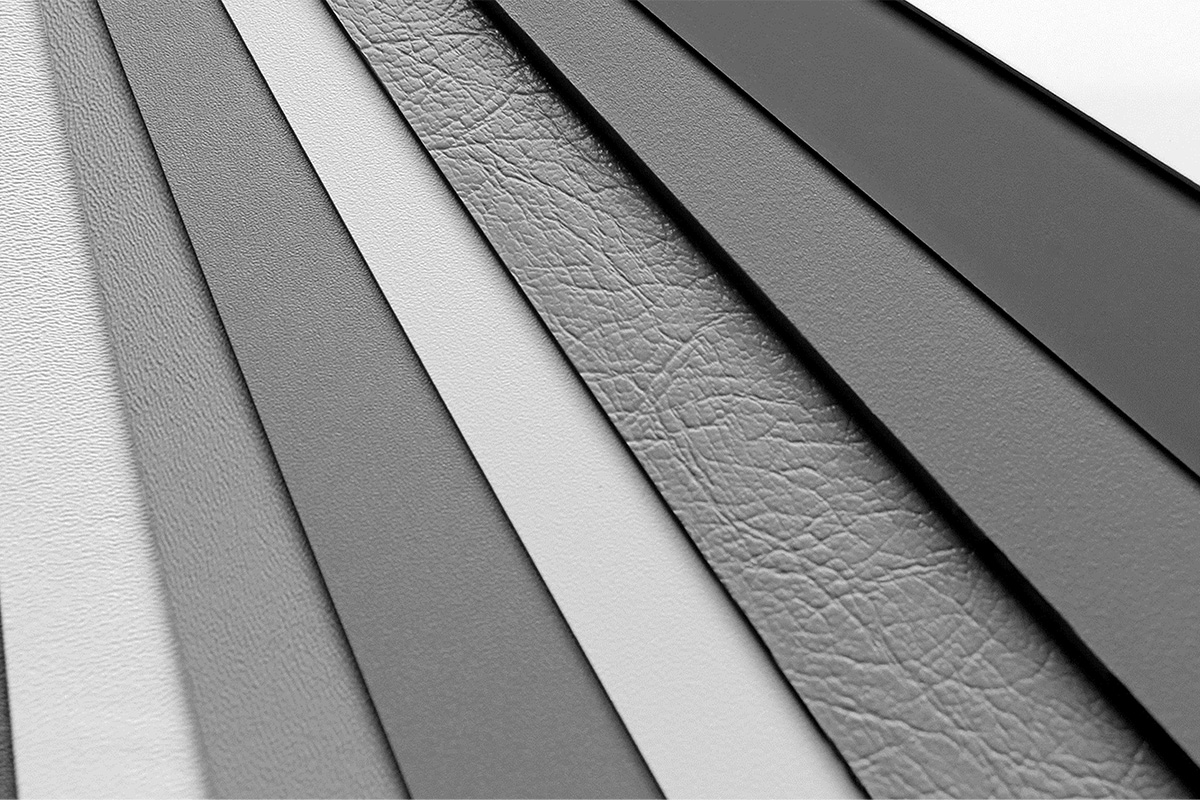
Key Properties of HDPE Sheets
| Property | Typical Range | Units |
|---|---|---|
| Density | 0.94 – 0.96 | g/cm³ |
| Heat Deflection Temp (66 psi) | ~172 | °F |
| Tensile Strength | 3,800 – 4,500 | psi |
| Flexural Modulus | 150,000 – 200,000 | psi |
| Impact Resistance (Izod, notched) | >10 | ft-lb/in |
| Water Absorption (24h) | <0.01 | % |
| Chemical Resistance | Excellent | — |
| FDA Compliance | Available in FDA grades | — |
Note: Property values may vary slightly based on sheet thickness and specific HDPE formulation. Consult material data sheets for exact specifications.
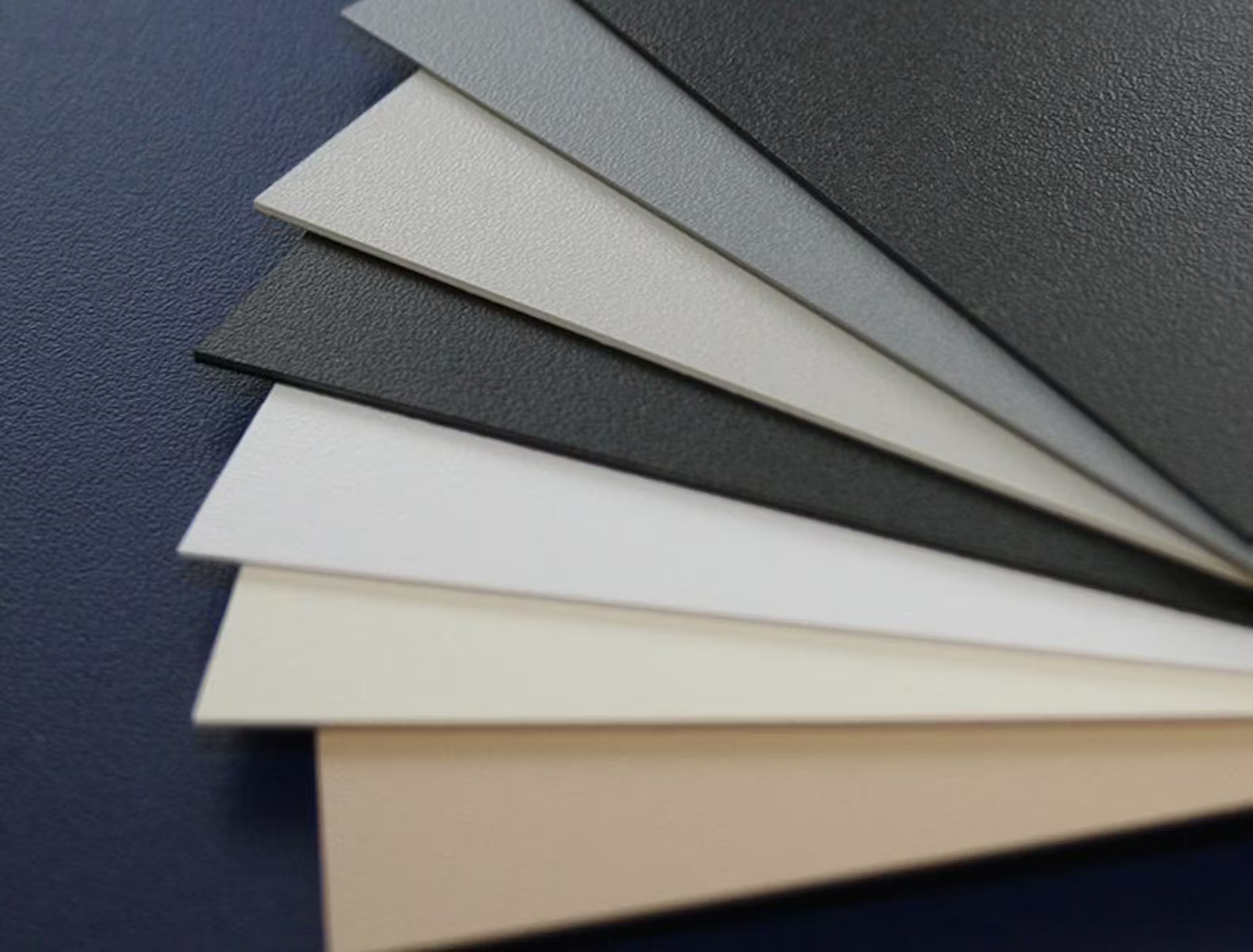
Advantages of HDPE Thermoforming
HDPE is widely used in heavy-gauge thermoforming due to its favorable forming characteristics and mechanical properties.
HDPE is resistant to most acids, bases, alcohols, and solvents, making it an excellent choice for applications exposed to harsh cleaning agents or industrial chemicals.
With extremely low moisture absorption, HDPE performs reliably in outdoor environments and in contact with water, making it ideal for marine, agricultural, and utility applications.
HDPE retains toughness at low temperatures and resists cracking or shattering under impact, making it suitable for rugged-use components such as guards, panels, and storage tanks.
HDPE offers good performance at a low material cost, and its low density makes it easy to handle, transport, and integrate into larger assemblies.
Special formulations are available that meet food contact and medical device housing requirements.
What do you need thermoformed?
HDPE Thermoforming Best Practices
Sheet Heating and Forming
HDPE forms best between 275°F and 350°F. Due to its semi-crystalline nature, it has a narrower forming window and requires precise temperature control.HDPE forms best between 275°F and 350°F. Due to its semi-crystalline nature, it has a narrower forming window and requires precise temperature control.
- Uniform sheet heating is essential to avoid warping or inconsistent thickness.
- Pre-drying is typically not required, as HDPE absorbs virtually no moisture.
- Overheating may lead to surface imperfections or sagging.
Mold Design
- Use of aluminum molds is recommended for high-volume consistency and thermal management.
- Minimum draft angles of 4°–6° are advised to facilitate part removal.
- Avoid sharp corners—use radii of at least 0.125” to reduce thinning during forming.
Cooling and Trimming
HDPE has a high coefficient of thermal expansion and must be cooled uniformly to prevent warpage. Trimming should be done once the part has fully cooled to ensure dimensional accuracy.
- HDPE parts can be CNC trimmed or cut with rotary blades for clean edges.
- For assemblies, heat welding or mechanical fasteners are preferred—adhesive bonding is limited due to low surface energy.
Limitations of HDPE in Thermoforming
While HDPE is a strong performer in many areas, it has limitations engineers should be aware of:
- Low rigidity compared to materials like ABS or polycarbonate.
- Difficult to bond using adhesives or solvents due to low surface energy.
- Lower heat resistance, with softening beginning near 200°F.
- Poor UV resistance unless stabilized—outdoor applications should specify UV-stabilized HDPE grades.
Common Applications of Thermoformed HDPE
| Industry | Applications |
|---|---|
| Agricultural | Equipment panels, storage bins, liners |
| Medical | Utility carts, device trays, non-critical housings |
| Industrial | Machine guards, conveyor panels, shrouds |
| Food Service | Cutting boards, work surfaces, food transport trays |
| Marine/Outdoor | Dock bumpers, seats, hatch covers |
HDPE Grades Available for Thermoforming
- Standard HDPE: General-purpose, cost-effective material for industrial and utility applications.
- FDA-Compliant HDPE: Approved for use in food contact and medical environments.
- UV-Stabilized HDPE: Designed for prolonged outdoor exposure without degradation.
- High-Molecular Weight HDPE (HMWPE): Offers superior impact resistance and stress-crack resistance for extreme durability.
CW Thomas can help source and form the appropriate HDPE formulation for your specific application.
Why Choose CW Thomas for HDPE Thermoforming?
As an ISO 9001:2015 and AS9100D-certified facility, CW Thomas provides end-to-end thermoforming services using HDPE and other engineering-grade plastics. Our team of material experts and engineers supports clients throughout the development process, from design-for-manufacturability and tooling through to precision forming and CNC trimming.
With in-house tooling, advanced forming capabilities, and decades of experience working with semi-crystalline materials like HDPE, CW Thomas is your trusted partner for reliable, repeatable, high-performance plastic parts.
Ready to Start Your HDPE Thermoforming Project?
Get in touch with the CW Thomas engineering team to discuss your part requirements, material selection, or manufacturing challenges.
- Learn more about our custom thermoforming services
- Visit our full thermoforming materials guide
- Request a quote for your HDPE application